How to Play Gates of Olympus Slot Machine Guide for Indian Players

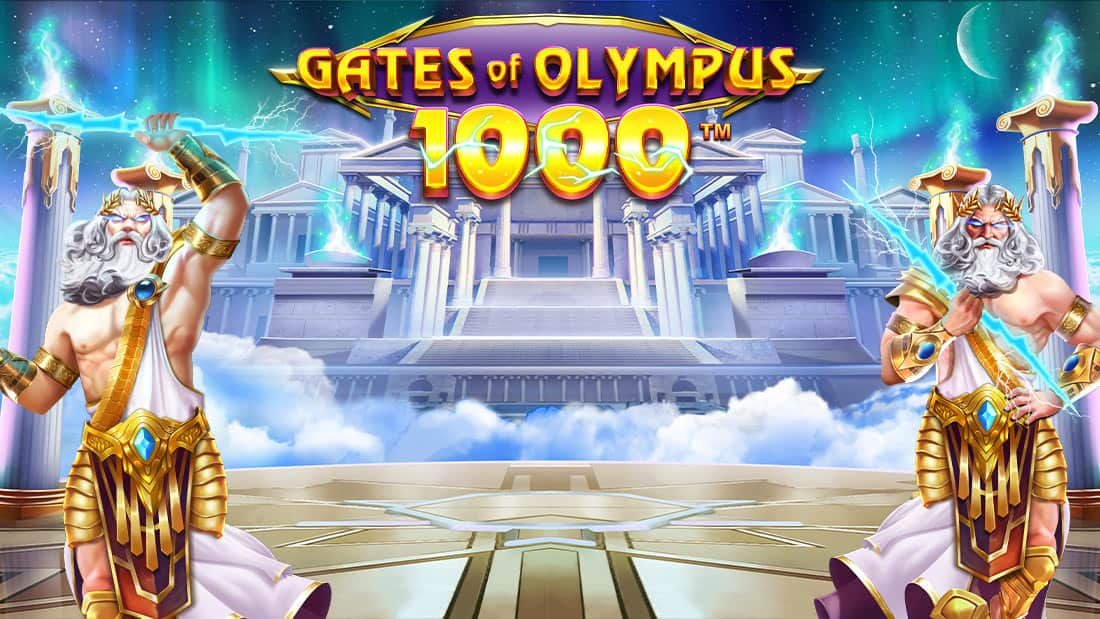
Gates of Olympus is a 5-reel , six-row video slot that uses a scatter-pays system instead of fixed paylines. Players win by landing matching symbols anywhere on the grid, and the game increases those wins through randomly triggered multipliers that can rise as high as 500x. The theme is based on Greek mythology, with Zeus as the central figure who can emerge on any spin to add multipliers or trigger free spins. This article explains the exact mechanics, the numbers that matter, and the steps a player needs to complete to start spinning.
Wagering Range and Wager Adjustments
A large number of platforms offering Gates of Olympus enable bets from 0.20 to 100 coins per spin. The coin value itself may be modified in small increments, which means the same range may be shown in local currency units. The game shows the current total stake clearly over the spin button, and any change shows up immediately in the potential win values displayed on the paytable.
Players are able to use plus and minus buttons or else a slider to set the stake. Some sites also offer quick-select buttons for common amounts including 1, 5, 10, or 20 coins. It is useful to test a few spins at the lowest stake first to confirm how the interface responds correctly and the way the balance updates without delay. Once comfortable, the stake may be increased in steps that keep the total session budget in view.
The maximum win on a single spin is limited to 5,000 times the stake. Reaching this amount demands a full grid of premium symbols combined with the highest available multipliers. While the theoretical maximum remains constant, the probability of hitting it on any given spin stays low. Setting a realistic profit target before play aids convert large wins into a completed session rather than continued spinning.
RTP, Variance and Their Meaning
The published return-to-player percentage for Gates of Olympus is 96.5 percent. This figure indicates the hypothetical portion of all wagered money that the game returns to players over a very large number of spins. Individual sessions will deviate from this average, sometimes by a wide margin, because the game uses a high-volatility model.
High volatility indicates that wins are rarer but greater when they occur. In practice, a player may experience dozens of spins without a payout, followed by a single spin that returns several times the stake. The combination of scatter pays and random multipliers boosts this effect, because both features must coincide for the largest outcomes. Players who favor steady small wins may discover the variance uncomfortable, while those okay with longer dry spells can strive for the higher ceiling.
Because volatility is determined by the game rules, the only adjustable variable is stake size. Lowering the bet cuts the absolute size of both wins and losses, allowing a longer session on the same bankroll. Conversely, raising the stake increases the potential payout in a single spin but also accelerates the rate at which the bankroll moves. Setting a loss limit before starting helps manage the swings that high volatility produces.
Free Spins and Bonus Entry
Four or more or more Zeus scatters in any position on the grid award fifteen free spins. The scatters are not required to form a line; the game simply tallies the total number of Zeus icons that appear. During the free-spin round, the same scatter-pays rules apply, and every Zeus that lands adds an extra multiplier to the running total.
Each additional scatter that lands during the free spins awards five more spins. This retrigger mechanic may prolong the round significantly if Zeus continues to appear. The multipliers collected during free spins stay in effect for the entire round, platform Gates of Olympus, so later spins often have higher multipliers than the opening spins.
Players may purchase entry into the free-spin round directly when the feature is offered. The cost is shown as a multiple of the current stake, usually around 100x. Buying the feature guarantees fifteen free spins with the same multiplier rules, but it does not change the underlying probabilities. The decision to buy or wait for a natural trigger depends on bankroll size and session goals.
Reel Positions, Rows and Symbol Payouts
The layout contains 5 vertical reels and six horizontal rows, creating thirty positions in total. Each reel stops independently, and the game employs a random number generator to select which symbols show up. The visual layout remains constant, but the distribution of symbols on each reel is adjusted, so premium icons appear less regularly than lower-paying ones.
The pay table splits symbols into two groups. The lower group contains the common card values nine through ace, with each paying between 0.2x and 1x the wager for 8 matching symbols. The premium group consists of four colored gems and Zeus himself. The red gem offers 0.5x for 8 icons and rises to 25x for twelve, while Zeus awards 1x for eight and 100x for 12. These values change in a straight line with stake size, so a 1-coin stake gives the equal multiplier as a 100-coin bet.
Symbol frequency varies with each reel. The outer reels hold more low-value symbols, while the 3 middle reels contain a higher proportion of premium symbols. This distribution affects strategy because players can count on more smaller victories from the side reels and more substantial clusters from the centre. Checking the paytable before adjusting the stake helps set practical expectations for both one-spin and session outcomes.
Practical Tips for Extended Play
Keeping a dedicated record of starting balance, stake size, and session end time enables later review of results. This record does not need to be detailed; a simple note on a phone is enough. Over several sessions, patterns emerge that help refine stake choices and session length.
Players who prefer shorter sessions can concentrate on the free-spin buy option when it is available. A single purchase followed by the fifteen awarded spins creates a defined play window. Those who enjoy longer sessions may choose the base game and accept the natural variance while multipliers accumulate gradually.
Sound and animation settings can be adjusted to reduce distractions. Turning off background music or enabling quick-spin mode cuts the time between spins, which can be beneficial when the goal is to complete a fixed number of spins within a limited period. These adjustments do not change the winnipegfreepress.com game’s mathematics but improve comfort during extended play.
Common Mistakes and How to Steer Clear of Them
One frequent error is boosting the wager after a series of losses in an attempt to recover quickly. Because the game is high volatility, a larger stake only enlarges the size of the next dry spell. Alternatively, choose a fixed stake amount ahead of time and keep it unchanged regardless of recent results.
Another mistake is neglecting the paytable values. Without knowing that twelve purple gems pay 100x while eight pay only 5x, players may misjudge the significance of a near-miss. Consulting the paytable at the start of each session requires under a minute and avoids misunderstandings later.
Lastly, some players forget to set a session time limit. Without a clock, spins may go on far longer than planned. Using the device’s timer or the autoplay stop-loss function sets a clear boundary and helps protect the original bankroll target.
Wildcard Symbols and Unpredictable Multipliers
Zeus functions as both a scatter and a wild symbol. When he arrives, he can replace for any regular symbol to form clusters. In addition, Zeus from time to time hurls a lightning bolt that increases the current win by a random value ranging from 2x and 500x. The multiplier is calculated after all clusters are tallied, so a single bolt can increase several separate wins at once.
Multipliers can show up on any spin, including the base game. The game displays the active multiplier in a panel above the reels, and the final win amount updates to include it before the next spin commences. Because the multiplier is selected randomly, players cannot predict its size, but they can view the result immediately and decide whether to carry on or modify the stake.
Wild substitutions obey standard rules: Zeus replaces any symbol except the scatter icon that triggers free spins. When multiple Zeus symbols arrive, each can bear its own multiplier, and the game adds them together before using the total to the win. This stacking effect is the main origin of the game’s largest payouts beyond the free-spin round.
Deciphering the Scatter-Pays Structure
Gates of Olympus awards for any eight or more matching symbols anywhere on the six-by-five grid, regardless of position. The paytable displays eight regular symbols that show up in groups of eight, nine, ten, eleven, or twelve. Hitting twelve of the highest-paying symbol, the purple gem, gives 100 times the total stake. Because every symbol on the grid can qualify, the game does not employ traditional paylines, and wins are computed by counting identical symbols after the reels stop.
The scatter-pays mechanic alters how players view the screen. Instead of tracking lines, the focus transitions to symbol frequency and the chance that clusters will develop across multiple reels. When eight or more of the same icon arrive, the game immediately totals their value and adds any active multipliers before proceeding to the next spin. This structure preserves the base game fast while still presenting the potential of several separate clusters on a single spin.
Players should keep in mind that the scatter-pays system does not demand symbols to be adjacent. A cluster can be divided across the top and bottom rows, and each group is tallied separately. This flexibility raises the number of winning combinations per spin relative to fixed-line slots, but it also implies that near-misses are frequent when seven symbols land instead of the required eight.
Detailed Guide to Beginning a Session
First, open the game lobby and find Gates of Olympus in the slot category. Tap the game icon to load the title. The screen displays the six-by-five grid, the current stake, and the spin button. Verify that the balance displayed equals the amount deposited before continuing.
- Adjust the stake using the plus or minus buttons until the selected total shows up.
- Check the paytable by tapping the information icon, noting the values for eight, nine, ten, eleven, and twelve matching symbols.
- Turn on any quick-spin or sound options if wanted, then push the spin button to start.
- Watch for Zeus symbols that may introduce multipliers or initiate free spins.
- After each spin, the game reveals the win amount and updates the balance automatically.
Most platforms allow the use of spacebar or a tap on the screen to spin, and some provide an autoplay panel. When utilizing autoplay, establish both the number of spins and the stop conditions, such as a single win above a selected amount or a total loss limit. These controls assist preserve discipline during longer sessions.


